CW Leonis

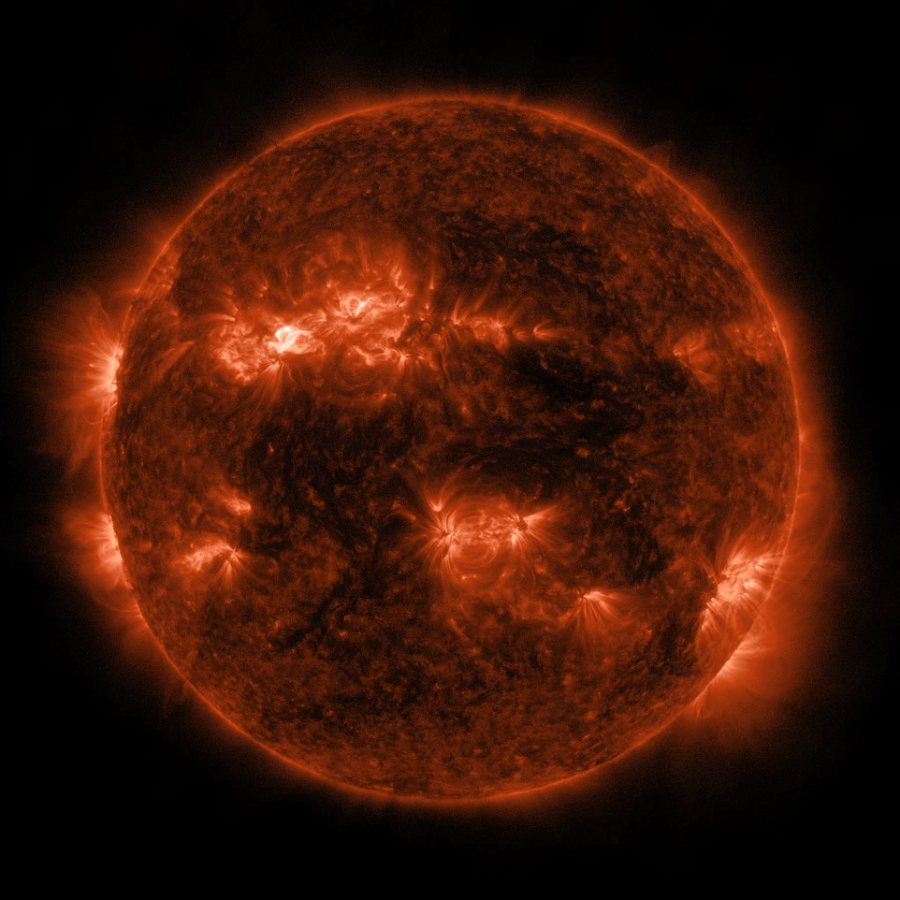
CW Leonis is a carbon star in the constellation Leo. It has the highest flux of any object outside of our Solar System. The star was discovered in 1969 by Eric Becklin. CW Leonis is the nearest carbon star to Earth and arguably second largest, after R Leporis. CW Leonis is surrounded by a thick dust envelope. Astronomical data Radius… Continue reading CW Leonis
VV Cephei

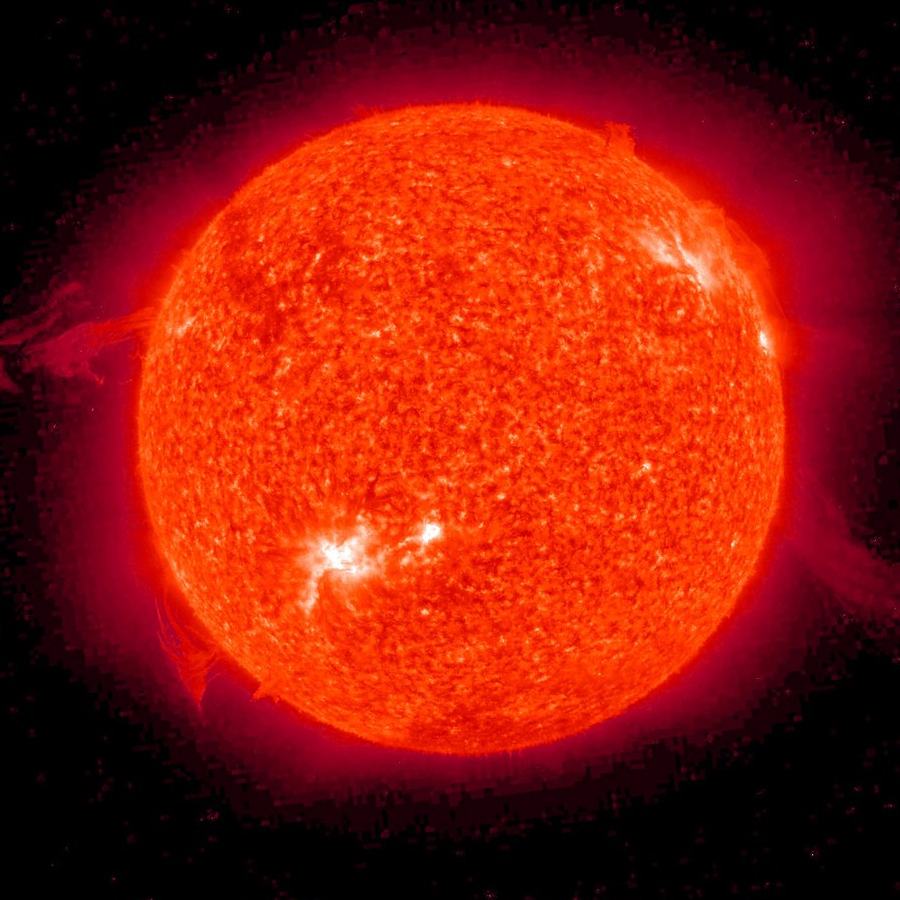
VV Cephei is a red hypergiant and blue main sequence star binary system in the Constellation Cepheus. The primary component, VV Cephei A is a very historic star, as it was known as the largest star in the late 90s and early 2000s. VV Cephei B is slowly distorting the shape of A, as it may be more massive. The… Continue reading VV Cephei

LGGS J013414.27+303417.7

LGGS J013414.27+303417.7 (site dubbed “Vulkor”) is a red hypergiant star in the Triangulum galaxy. It is currently the largest star in the Triangulum Galaxy. It is a slow irregular variable star. Not much is known about Vulkor, but it may be the topic of future research. Astronomical data Radius (in Solar Radii): 1,479 R☉ Diameter (in Kilometers): 2,058,768,000 km Mass (in… Continue reading LGGS J013414.27+303417.7

NML Cygni

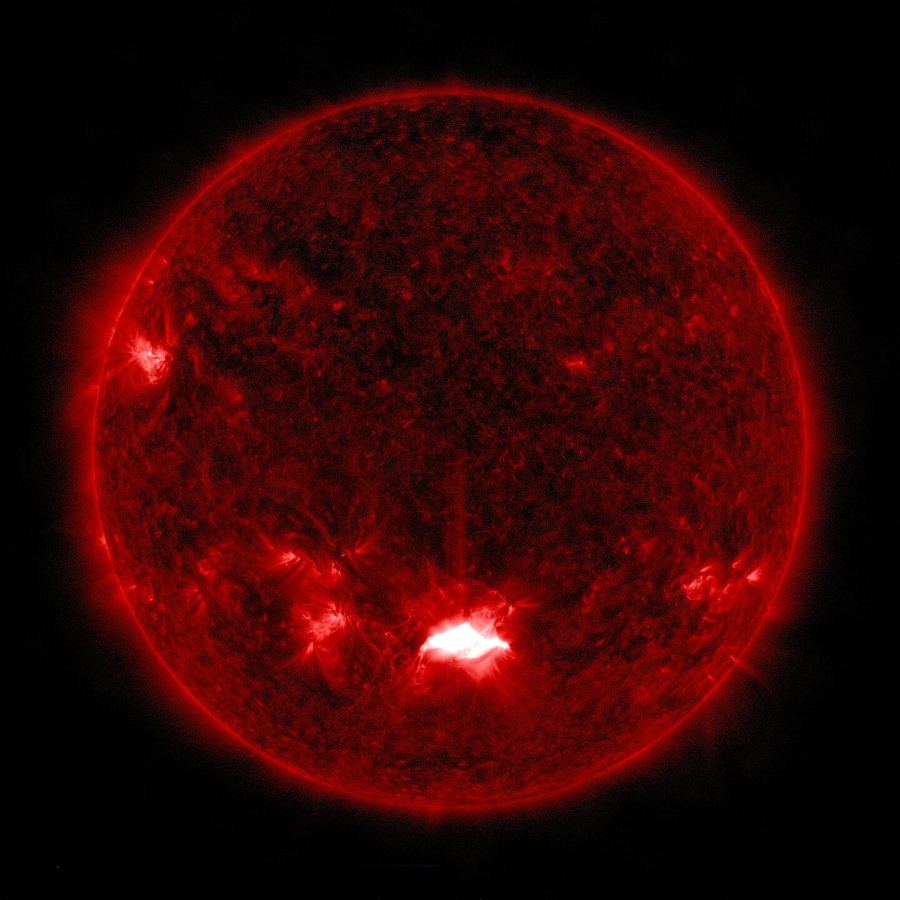
NML Cygni (also known as V1489 Cygni or IRC +40448) is a red hypergiant star in the constellation Cygnus. It is one of the largest known stars, however it is hard to determine the true radius of the star, due to the dust surrounding the star, but here we’ll put it at 1,500 Solar Radii as an upper limit. It… Continue reading NML Cygni

DENIS J081730.0−615520

DENIS J081730.0−615520 (we’ll call it Dennis; the catalog name is just too long) is a brown dwarf in the constellation Carina. It is located 17 light years away and is the brightest T-dwarf in the night sky. It was discovered that the dwarf had hydrogen and hydrogen sulfide in its atmosphere. Astronomical data Radius (in Solar Radii): 0.0944 R☉ Diameter… Continue reading DENIS J081730.0−615520

KOI-3617

KOI-3617 (also known as KIC 10735564) is a binary star system consisting of a blue-white main sequence star and a “stelloplanet.” KOI-3617 A is roughly twice the size of the sun, while KOI-3617 B is around the same size as our sun. The system is located in the constellation Cygnus, 10,886 light years away. KOI-3617 B was once thought to… Continue reading KOI-3617

EBLM J0555-57 Ab

EBLM J0555-57 Ab is a red dwarf star in the constellation Pictor. It is the smallest known star (that isn’t a brown dwarf, white dwarf or neutron star), with a radius of only 0.08 suns. It has a mass of 290 Saturns, the least massive star known. The star was discovered by astronomers at the University of Cambridge. Astronomical data… Continue reading EBLM J0555-57 Ab

R Doradus

R Doradus (also known as HR 1492 or P Doradus) is a red giant star in the constellation Dorado. It has the largest apparent size as viewed from Earth. R Doradus is also a semiregular variable star. In Infrared light, R Doradus is one of the brightest stars in the night sky, although this does not apply with visible light.… Continue reading R Doradus

Mira

Mira is a red giant star in the constellation Cetus. It is the prototype of the Mira variable star class. Mira also has a companion white dwarf, Mira B. Mira A was the second largest known star in 1925, surpassed by only Antares. Mira A was previously thought to be a red supergiant star but is now known to be… Continue reading Mira

Mu Cephei

Mu Cephei (also known as Erakis or Herschel’s Garnet Star) is a red supergiant star in the constellation Cepheus. It was previously considered a hypergiant star until a new estimate of 762 Solar Radii was published for the star. Its alternative name, Garnet Star, was coined when astronomer William Herschel described its color as garnet red. As it is now… Continue reading Mu Cephei